
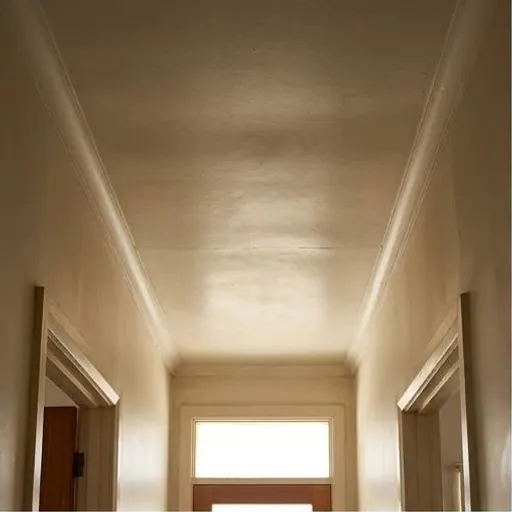
Asbestos Ceiling Removal on the Central Coast
Flat sheet or textured coating, an old ceiling needs a plan before it comes down. We assess it, seal the room and remove it under the right licence.
SafeWork NSW licensed · Free on-site quotes · Fixed price upfront
Central Coast Asbestos Removals removes asbestos ceilings from Central Coast homes, from single bonded sheets in a laundry to textured coatings across a living area. The first question is always what the ceiling is made of, because that decides the licence, the controls and whether you stay home.
Ceilings are quoted on site. We do not guess from photos.
Tell us about the ceiling
Send it through and we'll be in touch within 30 minutes.
How it works. Easy as.
Fill out the quick form.
As much or as little detail as you like.
We'll text you within 30 minutes to say hi and get a few details.
We book a site visit at a time that suits you.
A licensed removalist checks the material and measures up, so your quote is accurate and fair.
You get a written quote within 30 minutes of the visit.
Fixed, all-inclusive price. No hidden extras.
Happy with it? Say yes.
Flexible payment options are available if cash flow's a bit tight.
Removal day.
SafeWork NSW licensed removalists take it away safely and leave your place cleaner than they found it.
Done and dusted.
Your asbestos is wrapped, transported and legally disposed of at a licensed facility, with a clearance certificate where required. One less thing to stress about.
Check what is above and attached to the ceiling
A ceiling-removal scope should identify more than the visible painted face. Cornices, cover strips, textured finishes, patches and sheets in adjoining spaces may not all be the same material. Explain which surfaces your renovation will disturb, and do not assume a result from one room covers the entire house.
Roof-space access and concealed layers need their own consideration. Insulation, dust, wiring and earlier building work can affect how the job is approached, but a ceiling quote should not silently become a promise to clean every roof cavity. Ask which areas have been inspected and which remain inaccessible.
If the ceiling has been damaged by water, movement or a falling branch, describe that condition before the visit. A brittle or partly fallen lining may need different controls from sound sheets that are still fixed in place. Keep the area clear rather than removing a loose-looking piece yourself.
Arrange lights and services before removal starts
Light fittings, fans, alarms, wiring and other services can be attached to or pass through the ceiling. Confirm who will isolate and disconnect them, and when. Electrical work is a job for the appropriate licensed trade, not an assumed part of asbestos sheet removal.
The removal team and your builder need a shared sequence. It should be clear when the room is available, where people must stay out and when the next trade can return. Avoid booking a plasterer or electrician to work inside the controlled area while removal or the required inspection steps are still underway.
Plan the route for moving wrapped waste out of the room as well as access for the workers. A high ceiling, narrow hall, stairs or a room that cannot be emptied should be discussed before pricing. These are scope and safety questions, not reasons to break sheets into smaller pieces to make the job fit.
A removal quote is not a replacement-ceiling contract
Ask the written quote to separate removing the suspect material from repairing the building afterwards. New battens, plasterboard, cornices, insulation, electrical work and painting may be carried out by other trades. If any of those tasks are included, their extent should be stated rather than left to an assumption.
The same applies to framing and materials revealed once the lining is off. They may need inspection before a builder decides what to retain or replace. Do not cover a newly exposed suspect product simply to keep the renovation moving; pause and clarify whether it needs assessment or a change to the removal scope.
Staging can help an occupied household, but each stage needs a proper work boundary and handover. Discuss rooms, access and the order of work before booking. Moving the same controls from one small area to another is not automatically simpler or cheaper than one planned scope.
Know when the room is ready to use again
Visible sheets being gone is not the end of the job. The work area needs the cleaning, inspection and clearance steps appropriate to the removal. The quote should explain those arrangements and who is responsible for them, including the independent assessment requirements that apply to the work.
Air monitoring and a clearance inspection answer different questions. Do not treat one as a substitute for the other or assume every bonded-sheet ceiling has the same monitoring requirements as friable material. Ask for the controls relevant to the actual product and condition.
Keep the applicable handover and disposal documents with the renovation file. Before other trades resume, tell them what was removed and which areas were not inspected or included. That is particularly important where a ceiling job exposes another lining or where an adjoining room remains outside the work area.
Sheet ceilings and textured coatings are different jobs
Flat cement sheet is bonded: the fibres are locked in while the sheet is whole. Sprayed or textured coatings can be friable, meaning they crumble under hand pressure when dry. Friable material needs a Class A licensed removalist and much tighter controls.
Not every textured ceiling contains asbestos, and a smooth painted ceiling is not automatically safe. Testing settles it.
Why overhead work takes more care
Material removed from above falls, so containment has to catch everything. Rooms are sealed, floors covered and air movement controlled. Cornices, old patches and light fittings are checked, because ceilings often hide repairs made with different materials.
Nobody should be in the room or the roof space during removal. We agree access, ventilation and timing with you before work starts.
Your household during the job
For one bonded room with its own door, many families stay home. For friable work, the property is usually vacated while the enclosure is active. We tell you which applies after the assessment, not on the day.
Air monitoring and clearance
Friable removal needs air monitoring by a licensed asbestos assessor and a clearance certificate from them before the area is used again. Bonded jobs over 10m² need clearance by an independent competent person. Either way, nothing goes back up until the room is signed off.
After clearance, your builder can install the new ceiling, cornices and lights. Those trades are quoted separately.
Ceiling removal guide prices (inc GST)
| Job | Typical price (inc GST) |
|---|---|
| Bonded ceiling sheet | Quoted on site Prices are a guide only and depend on size, access and condition. Your free on-site quote gives you a fixed price before any work starts. |
| Friable textured coating | Quoted on site Prices are a guide only and depend on size, access and condition. Your free on-site quote gives you a fixed price before any work starts. |
| Inspection and report | From $300 Prices are a guide only and depend on size, access and condition. Your free on-site quote gives you a fixed price before any work starts. |
| Clearance | Quoted on site Prices are a guide only and depend on size, access and condition. Your free on-site quote gives you a fixed price before any work starts. |
Got more than one asbestos job? Book them together on the same visit and they can share one clearance inspection instead of paying for a separate one each time. That means a fence, shed roof and eaves on the same property add up to a real saving.
All prices include GST. Every removal quote sets out removal, wrapping, transport, disposal and clearance before work starts.
Prices are a guide only and depend on size, access and condition. Your free on-site quote gives you a fixed price before any work starts.